


Binaries
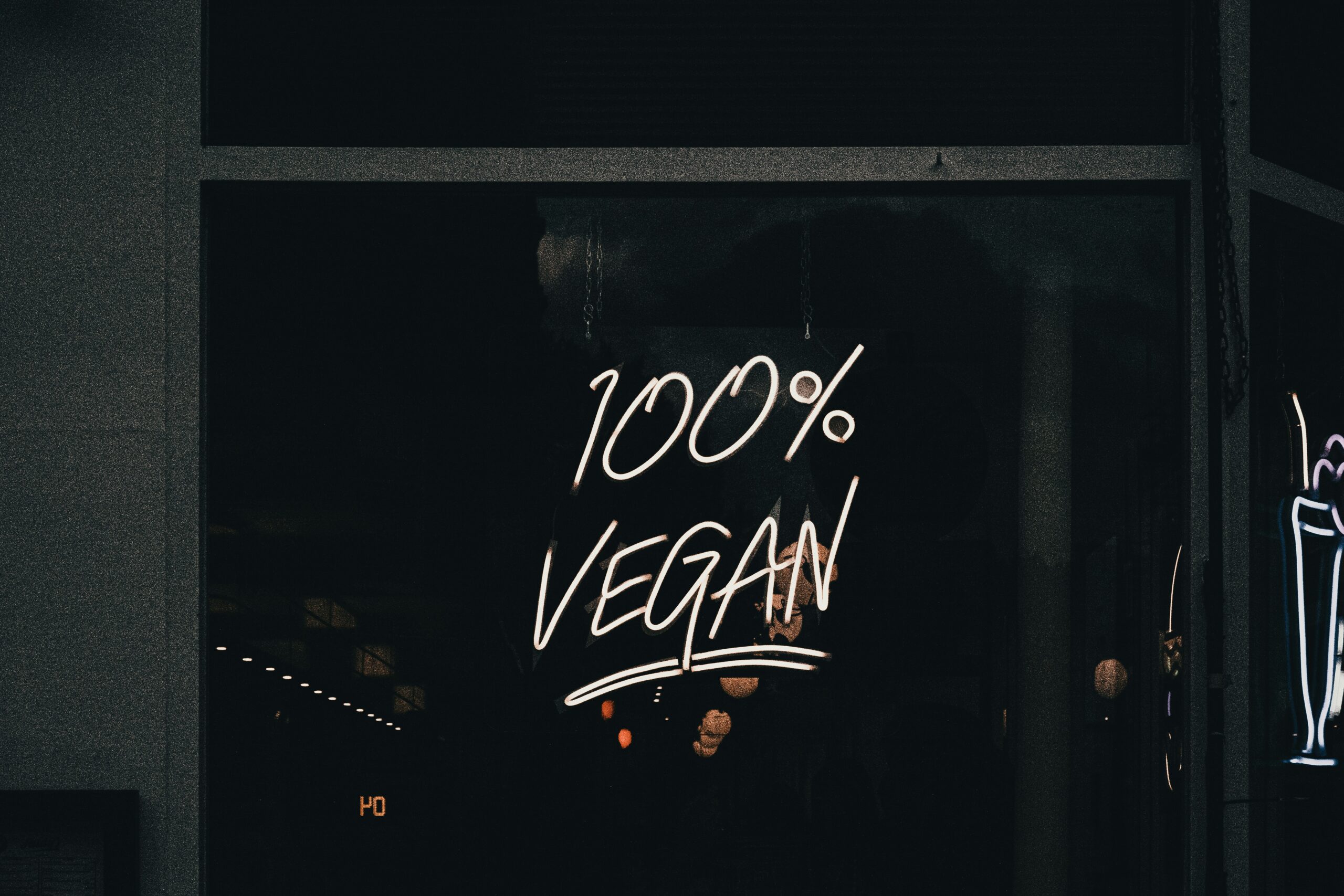
You are not a vegan if you wear leather shoes. You are not a vegan if you eat honey. You are not a vegan if your new thrifted jacket is made of real fur.
Definitive boundaries create exclusion, pushing away the interested and creating reason for criticism. This defined thinking in terms of being vegan and not being vegan creates a perfectionist unattainable rule to which one will never amount to be a true vegan.
Lately, I’ve seen online spaces filled with vegan criticism whereby new rules have to be followed in order for someone to be vegan, and any rule breakers are vermin to the community. New followers of the diet may feel unwelcome to a vegan lifestyle with community out casting them due to this kind of binary thinking, totally negating the whole meaning of veganism. That being that any reduction in meat and dairy consumption is ultimately a benefit to humans, animals, and the planet alike.
It has to be accepted that binaries are unhelpful and any sort of loose vegan diet is better than none. It’s proven (with a quick search) that any reduction of meat and animal based products consumed is a benefit to the planet and its inhabitants and communities should be a welcoming place.
Marketability
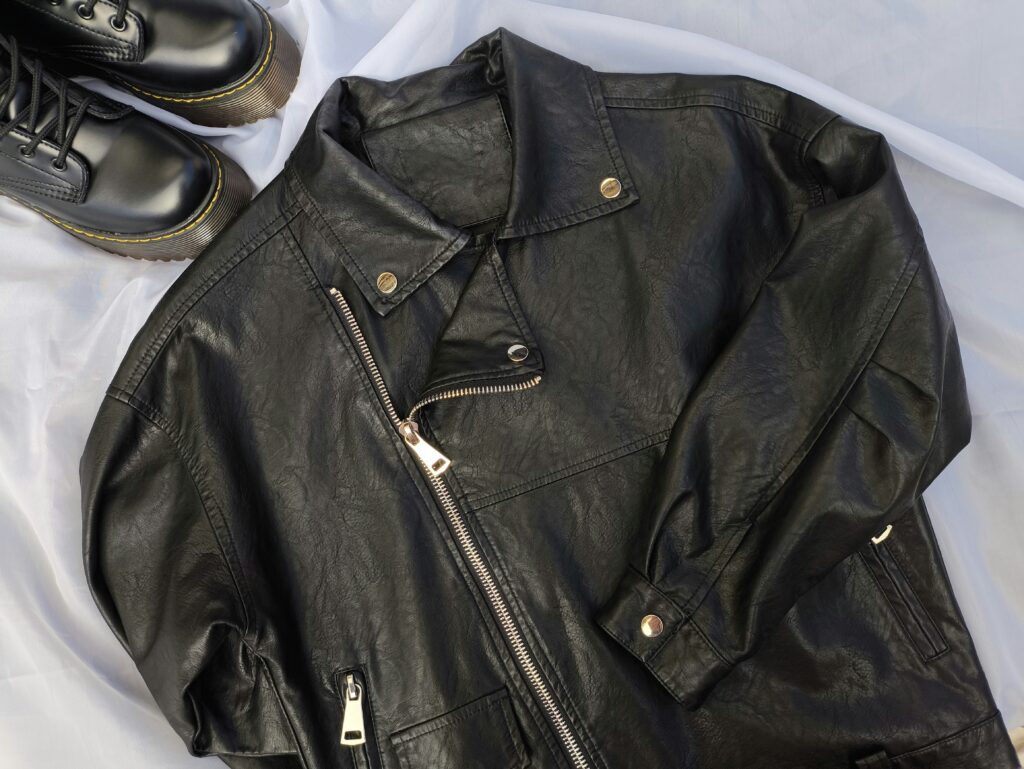
Veganism and ‘vegan-washing’ has coined itself as a marketable quality of a product to mask plastic based alternatives. An example of this is faux fur and faux leather to make a product with a shorter life cycle and an indefinite end in the earths ecosystem as a permanent feature of landfill due to plastic waste.
This creates a new kind of consumerism where people feel the need to replace a perfectly good item (say, a leather jacket), contrary to the ethos of protecting and caring for the environment by living sustainably. Brands also use the word vegan to promote their product as good or better for the environment than competitors in the market, despite the processing practises being harmful to the environment regardless and increasing waste.
The term is weaponised as a trend and a trick. It has become a trend cycle lending itself to the overconsumption of plastic goods under a ‘vegan-washing’ of new items and popular trends like ‘Veganuary’. It is a market strategy appealing to the consumer as an ethical product, totally negating the fact that it is more sustainable to use what you’ve already got instead of purchasing pending landfill.

Unattainability
Veganism has become a status symbol, priced up and out of reach for the average person. It’s a symbol of wellness and pure eating, despite the highly processed meat replicas and energy demand required to make them.
Veganism has been branded as a health trend, not as a powerful movement or ethical standpoint for the bettering of our planet. New products are continuously flowing in and out of supermarkets, labelled as superfoods or protein boosts, hoping to entice customers with these buzzwords. It’s an excuse to price up desirable meat replicas and other plant based or health foods instead of promoting the ethical mindset to reducing animal based foods.
Products like this are expensive to buy and offer an excuse to meat eaters that going vegan is expensive and unattainable, despite the plentitude of cheaper local grains and produce. It’s a status symbol to buy and eat these new and exciting ultra-processed foods instead of sticking to the grassroots – literally.
Instead, I implore a sense of critical thinking. Fix your old clothes, thrift your new ones, search for new plant based recipes, buy seasonal produce, and make do with what you have!
Being conscious of your consumption is most important to being aware of your impact. Veganism shouldn’t be exclusive or unachievable, it’s a creative and powerful movement and definitely not an ‘all or nothing’ microtrend.


