


We’re just less than a week away from lights out at Melbourne, the beginning of the biggest regulation change in F1 for over a decade. The changes mark a new era for the Formula 1 car, a step in an environmentally friendly direction. With change, inevitably comes controversy; many believe this could be the beginning of the end for the sport.
What are the New F1 regulations?
The new regulations will see the design of the F1 car totally remastered.
The cars will now be shorter, narrower and more nimble. Previously, F1 cars have gotten wider, which has been criticised for less competitive racing; the new cars are aimed at dancing around corners rather than lumbering through them.
The new design means the cars will be 30kg lighter than the recognised model, and the wheelbase has been shortened to allow the cars to be more responsive around corners.
The engine is also entirely changing, which now sees the cars shift to an electric power unit. The engines are now split evenly between Internal Combustion Engine (ICE) and electric power units.
The sport is also moving towards 100% sustainable fuels in 2026, in an attempt to contribute to the sport becoming more environmentally friendly. The new regulations state that in 2026, power units will run on “drop-in” non-food sources, municipal waste or atmospheric carbon capture.
All this in a bid to meet F1’s ‘Net Zero by 2030’ mission, where no new fossil carbon will be released into the atmosphere.
Finally, the new regulations will see the death of the infamous Drag Reduction System (DRS). Now the new regulations have introduced ‘X Mode’ and ‘Z Mode’. Z mode is the default high downforce system designed for corners and keeps the front and rear wings with high grip on corners. X Mode is a low-drag configuration, where the wing opens up, similar to DRS. However, unlike DRS, drivers can use this on straights to maximise speeds, rather than overtaking.
Bahrain testing
The final pre-season testing took place from the 18th to 20th of February and provided insight into how the drivers and teams were coping with the significant changes.
Aston Martin is now powered by a new Honda engine, which faced countless issues in testing. During testing, they discovered an issue with their battery, which meant that they could only do short runs. The lack of lap times means Honda only has 128 laps of data to work from after testing, in comparison to Mercedes, who have 1554 laps.
The new engine rules are proving far more difficult for some teams than others.
Williams too faced similar issues when they were forced to miss the first week of testing at the Barcelona shakedown.
‘Following delays in the FW48 programme, we continue to push for maximum car performance. The team will instead conduct a series of tests including a VTT [Virtual Track Testing] programme next week with the 2026 car to prepare for the first official test in Bahrain and the first race of the season in Melbourne.’
It is crucial that pre-season testing is delivered to provide the best data for the mechanics and engineers to tweak the car before the start of the season. With limited lap times comes limited research, which puts these teams in a difficult position to provide the best car.
Driver’s opinions
Four-time world champion Max Verstappen hasn’t held back on his strong opposition to the new rule changes. Appearing on the Formula 1 dedicated podcast ‘Up To Speed’, Verstappen shared his views on his new car:
Verstappen isn’t the only driver with the same opinion; seven-time world Champion Lewis Hamilton said the new rules are so complicated that ‘you need a degree to fully understand it all’.
Verstappen continued to speak about how the new regulations will impact his much speculated future within the sport:
‘Well, definitely closer to the end for sure. I would say the current regulations aren’t helping with the longevity of my career in Formula 1.’
Many Formula 1 fans dread to see the day that Verstappen retires; it’s a real negative sign that the new regulations may push out some legends of the sport.
Drastic change will not always be welcomed by every Formula 1 driver, especially those who have been there for over a decade.
Williams driver Carlos Sainz spoke to the media after Bahrain testing about the concerns that new regulations will result in harsher penalties from the FIA.
I think Melbourne is going to be more challenging [than Bahrain], for sure, but I cannot tell you how much, because I haven’t run the calibrations in the simulator of what we’re going to find ourselves in Melbourne with.
“I think in general, my message to FOM and FIA is, I think the start of the year, we need to stay a bit open-minded in case the regulations that we’ve come up with are maybe a bit exaggerated on the amount of harvesting or deployment that we have to do through a lap.
“That might make some circuits okay, like potentially here, even though I still think here is not fully okay with what we’re seeing so far.
“But tracks like Melbourne or potentially Jeddah, tracks that might be more energy demanding, I think we might need to adjust the regulations a bit.”
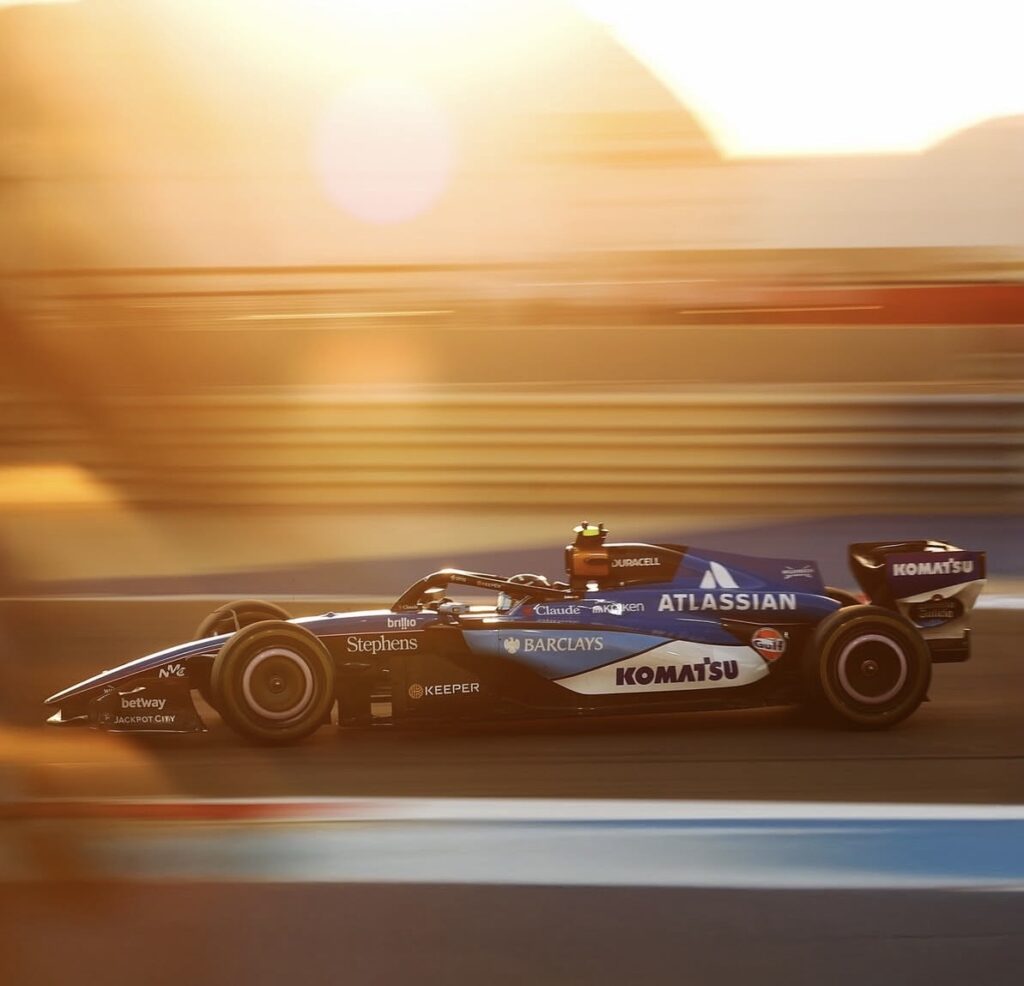
With new rules will come countless issues, and the FIA aren’t slow on picking up on every minor rule break. Sainz speaks for the collective in Formula 1; they need time, trial and testing to get to grips with these changes. It would be harsh for the FIA to penalise teams for errors in the first few months of the season.
Ultimately, whether these regulations mark the beginning of the end of the sport or a thrilling new chapter in the sport’s extensive history will ultimately be decided at the first race on Sunday. As the world progresses to a more environmentally stable society, Formula 1, too, has the same social responsibility. The new changes are essential in Formula 1’s environmental future.


