


Hidden Door Arts Festival has clocked out of its “Last Shift” at a former Edinburgh paper factory, concluding a two-year residency at the venue.
It’s not often that Edinburgh’s formal industrial sites, offices, and unused spaces are given a second life between the cease of operations and the construction of housing estates.
In recent years, a secluded paper factory located off the city’s bypass found a new purpose as the home of Hidden Door and a community event space. Now, they’ve set the stage and transformed the vast space for the last shift.
Since its founding in 2009, Hidden Door has transformed a vast array of spaces across Edinburgh, from old cinemas and theatres to old schools and gasworks, giving locals and creatives access to spaces ordinarily hidden away from the public eye and creating a less traditional ‘gallery’ format.
Hidden Door, built by its dedicated team of supporters and volunteers who breathe new life into these forgotten corners of the city, is an entirely not-for-profit organisation helping to shed light on emerging creatives, from artists and musicians to poets and filmmakers.
Its success, driven by ticket sales and funding, is a testament to the importance of accessible art, helping bring communities together and break down cultural divides, as well as giving individuals the space to express themselves.
With a range of galleries, museums and venues across the capital, an old paper factory on the edge of Edinburgh may be one of the last places you’d expect to come across art. However, stepping onto the 15.5-acre site and wandering through the many rooms on offer, it’s transformed into a space unlike any other.
This year’s Hidden Door festival explored the preservation of everyday life as well as the memories spaces and objects hold. In the spaces between the sculptures, displays and stages are parts of the Paper Factory’s past, creating an apocalyptic atmosphere, as if mid-shift all operations had ceased and left in a state of abandonment.
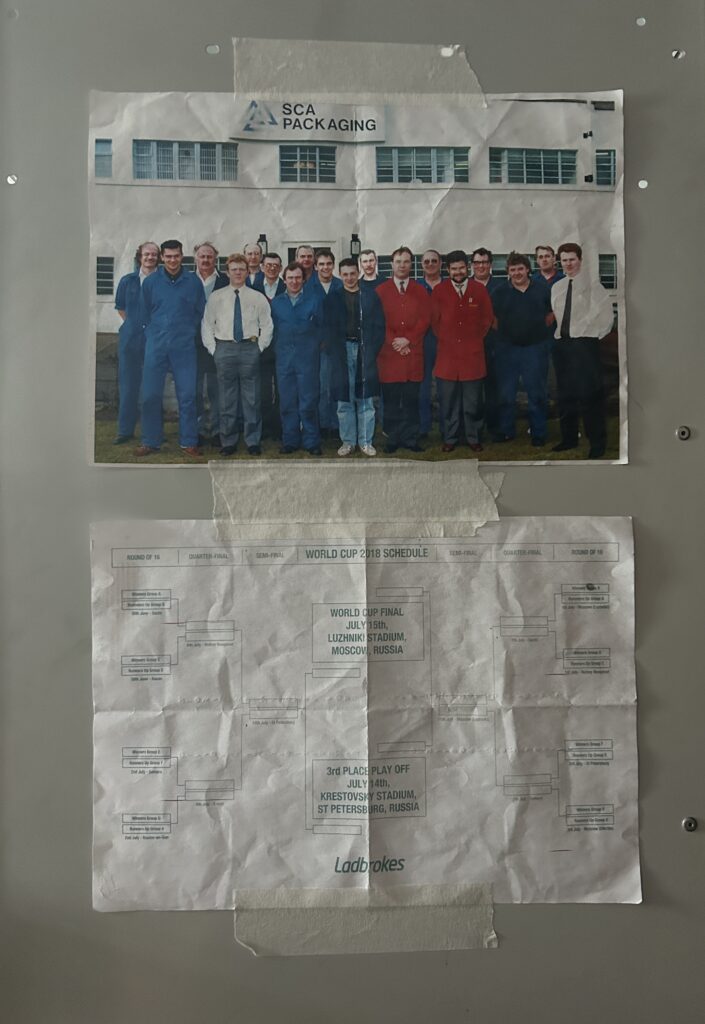
The former locker room remains intact. Scattered shoes covered in dust, lockers filled with notebooks and memorabilia, family photos, Celtic annuals and posters from the 2018 World Cup.
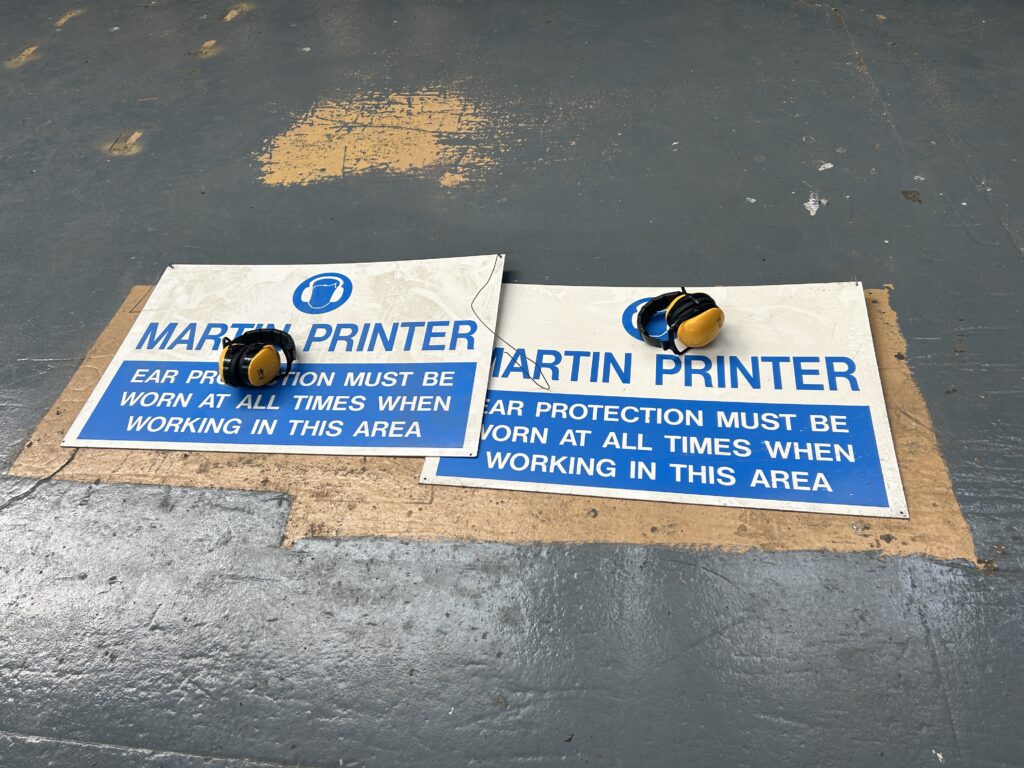
Maintaining the building’s industrial characteristics and history adds to the venue; not often is your quiet stroll through a gallery met with industrial machinery, caution signs and reminders that “ear protection must be worn at all times when working in this area”.
The festival’s team of artists and creatives have put together a visual display made up of new structures and pieces capturing this theme, as well as making use of the grounds’ imperfections, quirks and old machinery.
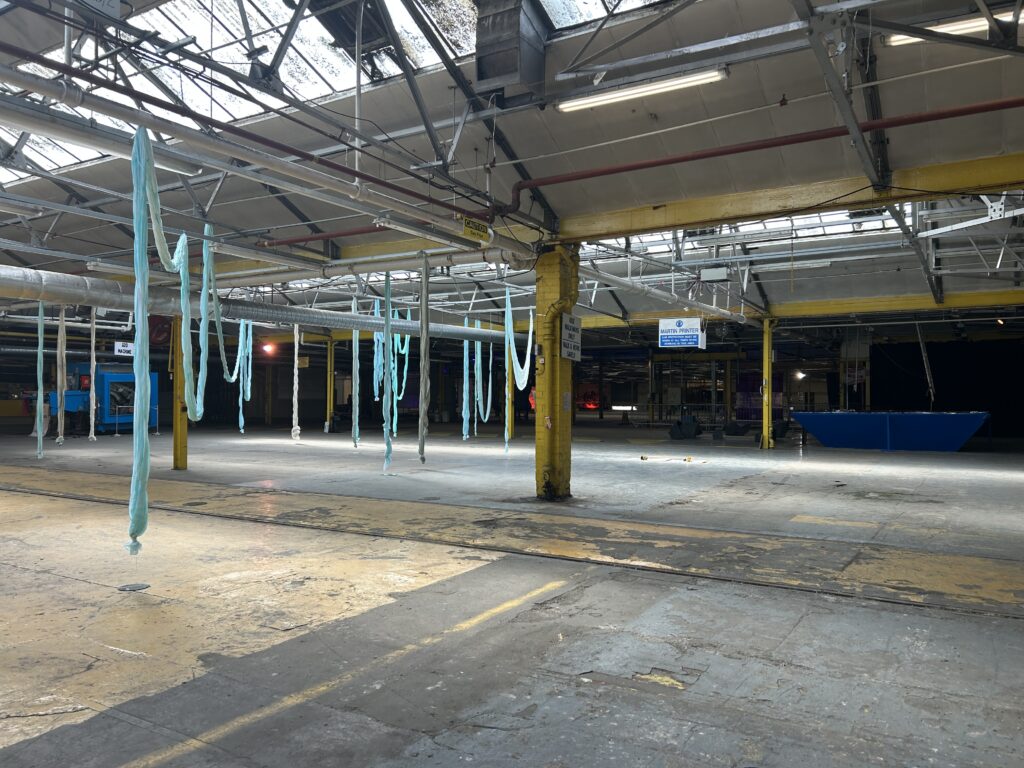
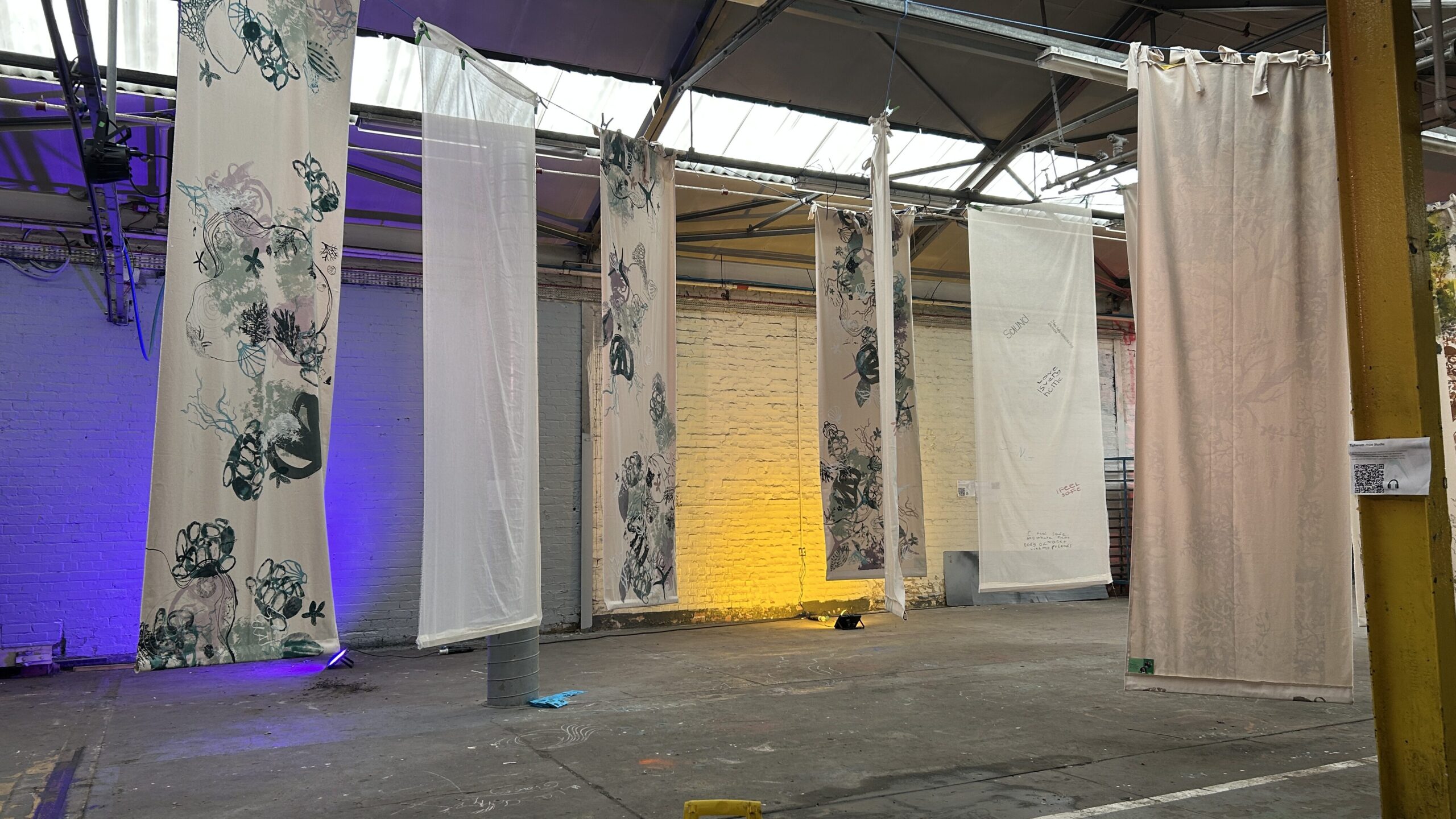
Just like every part of Hidden Door, many of the pieces featured are found in the most unlikely and unconventional formats. From plants seemingly growing through the factory floor, fabric hanging from old pipes, machinery and installations in the floor’s cracks & crevices, to displays tucked away behind doors and fabric walls.



It’s a reminder that some of our most interesting discoveries are often hiding in plain sight. However, some are nearly impossible to miss.

Upon entering, visitors are greeted by Glasgow-based artist Laura McGlinchey and her team of volunteers, Paper Nest Temple. The sculpture reflects and explores the building’s history through the use of raw everyday materials and serves as a connection between the different structures and collaborations across the festival.
The gigantic canopy, made of woven suspended materials such as old newspaper clippings and shredded paper, transforms the Factory Floor entrance and bar into an immersive experience one can walk through or sit under.
It sets the scene for a journey through sight and sound, testing our emotions and minds as our memories and experiences shift throughout our lives.
Over the course of five days, the factory’s floor wasn’t just brought to life with visual art but became one of the city’s most unique music and dance venues.
Scottish acts such as Tinderbox Orchestra, Valtos, Dinosaur 94 and many more took to the Paper Factory’s multiple stages each night alongside international acts such as BIG WETT and Caroline Kingsbury. They turned a space once filled with the rhythmic clatter and whirring of heavy machinery into one that caters for every genre. Bouncing off the factory walls was a delightful mixture of alt-rock, a unique blend of electronic dance music and Scottish Gaelic folk, along with a host of DJs and playful instrumental pieces.
Ghosts in the Machines, a theatrical performance piece brought to life on the Factory Floor by performers Elvey Stedman, Fiona Oliver-Larkin and Aimee Mccallum, is an evolution from Ghost in the Machine at the 2025 festival and features animal-like figures carrying out nightly labour and navigating “a world they no longer fully understand” while in search of their lost pigeon companion.
While pigeons remain massively unpopular with the British public, they certainly aren’t with Hidden Door. It’s difficult not to take notice of pigeons as an almost secondary theme. They are everywhere. If they aren’t in ‘Pigeon Bath’, then you may have found signs of them scattered around from the feather pit to machinery, and if you listened closely, you might’ve heard the odd cou cou coming from the locker room.

Broadcasting live from somewhere above the Factory Floor was Hidden Doors’ Lost Pigeon Radio, an audio-described tour put together by artist Juliana Capes using audience descriptions of The Paper Factory, artworks and their unique experiences throughout their visit.
The artwork serves as an aid for blind, visually impaired and neurodiverse visitors, while also bringing the experience to remote listeners. Transcripts of the radio broadcasts are available to view online https://hiddendoorarts.org/event/lost-pigeon-radio-transcript/
Hidden Door doesn’t just cater for the ordinary art lover but accommodates all voices and interests, no matter who you are. Their devotion to collaborative practice and diverse representation is what helps make this space as open and accepting as it is.
It is a space to open your mind to new things.

Although the Paper Factory is operating on borrowed time, there was no falter in the festival’s spirit. We are invited to slow down and take all the time we have to relish what we have in front of us. Rather than mourning what cannot be changed, they celebrate the life that they have had since November 2024, giving the factory the send-off it deserves.
Soon, like many of these concealed and forgotten spaces in Edinburgh, the former Saicia packaging factory will become home to a mixed-use development site brimming with residential, retail and commercial spaces. For its new residents this is all they will ever know and those lucky enough to have worked with or visited Hidden Door will be a part of this year’s theme, our memories of the space misremembered and reimagined as time passes.


