


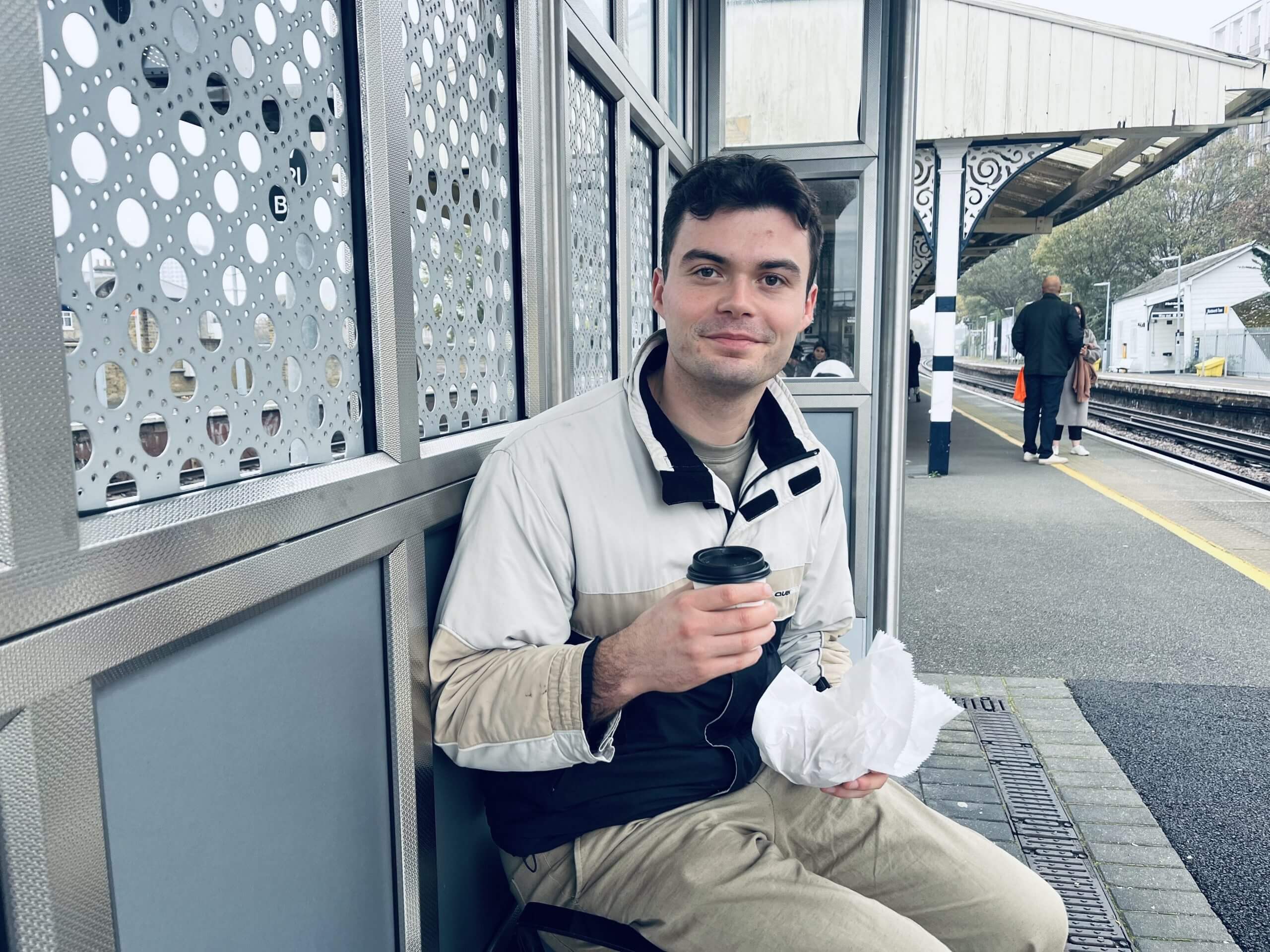
So few publications have reworked sports journalism like The Athletic.
For readers who value long-form journalism, it is essential. The chances are, you’re probably aware of the cutting-edge journalism they produce that has gripped the world of sport in the last nine years.
Top-notch journalism can only be achieved by a top-notch journalist, but few have seen such a meteoric rise as the current Aston Villa correspondent for The Athletic— Jacob Tanswell.
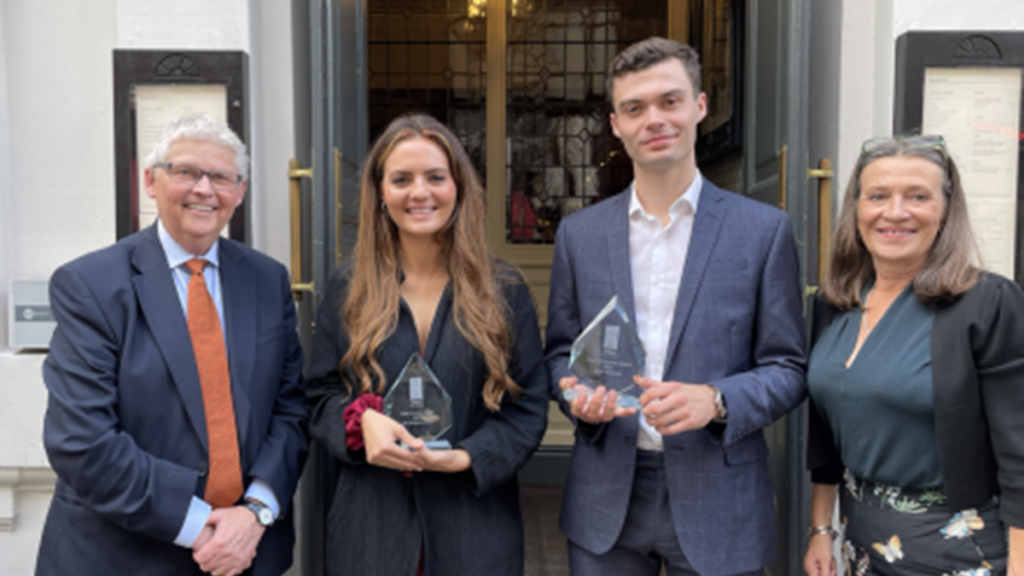
I’ve supported Villa myself for many years now. Jacob is widely regarded, across multiple fanbases, to be a reliable, informative and exciting source of club and footballing news.
But just three years ago, he was a Sports Journalism student at Southampton Solent University.
I recently spoke to him about how aspiring sports journalists can break into the industry, where he shared insights from his years within the industry.
Here is what he had to say.
“Getting your foot in the door” is as vital as it sounds
“Having a degree is great— you’d rather have one than not, but you have to do other things alongside it.”
— Jacob Tanswell
It’s the age-old saying within all areas of employment that “finding a way in” is the start of your journey. Sports Journalism makes no exception for that.
Jacob boasts an experience list that any top journalist can appreciate, having worked at 11 different publications since 2017— most of which voluntarily. He consistently sought to expand his strengths with roles from a boxing writer, to a Serie-A analyst, to an employed and full-time correspondent as he is now.
But this isn’t just good luck. Jacob has sought these opportunities out himself.
He said:
“The key is to take opportunities, and to seek them yourself. I felt like there were some guys (at university) who thought ‘I just need to get my degree, and things will open up’.”
“But I’ve had a few interviews myself— one at my previous role and two to get this job. Not once have they asked me for my degree, they’ve asked me ‘what work experience do you have, who have you written for, what pieces have you done’. I wanted to do as much variety as I could to be different— the more strings to your bow than football, the better.”
“The best way to do that is through volunteering for websites. If you look at my pieces when I was 17, they were awful. But it’s through trial and error as no-one can teach you how to write. You kind of work it out yourself.”
Three things that make a “Quality Journalist”
“Be calm, be professional. Even in the way you look and conduct yourself.”
— Jacob Tanswell
It’s often hard to imagine what employers and professionals see in someone that they deem to be “quality”- especially as an upcoming writer.
According to Jacob, however, it boils down to three things. The first of which being the detail that a writer puts in.
“Real detailed knowledge of the subject. It’s not cliches, it’s not clickbait or overreaction, it’s good quality. Thoroughness as well means they really know what they’re talking about.”
Another aspect he sees within a “quality” writer is the caution they include within their work.
“It’s also carefulness. I’ve been guilty of this in the past, but it’s not rushing. Make sure you have all the information right and it’s accurate. Even if that means taking 30 minutes extra, it takes you from 90% likely to 100% likely.”
Finally, Jacob also stressed the need for professionalism within all aspects of the work writers do.
“Sometimes you see a journalist and they’re wearing Bermuda shorts in the press room- fine, if you want to wear that. I sometimes see young journalists wearing hoodies. I know its 2026 now, but it’s still maintaining some sort of professionalism- you are in a workspace.”
“I sometimes see journalists taking selfies. I don’t want to sound like Roy Keane here, but it’s just about holding yourself. You really get a sense about someone by the way they conduct themselves.”
There is a right way to use data in articles
“You can’t just use data to reinforce your own viewpoint. You have to be balanced.”
— Jacob Tanswell
Data is becoming more and more fundamental to the understanding of today’s sports. With an increasing range of ways to measure data, we are also seeing new types of it arise too.
10-15 years ago, stats like xG, expected goals-prevented and so forth were gibberish within a sea of numbers. Jacob urges that there is a place for these numbers, but their use is very dependent on the context of the situation.
“For example, let’s say I’m doing a data piece on Tammy Abraham. Let’s say his shot percentage is 75% on target, you’d think ‘my God, he’s really accurate’. But what if it turns out he’s only had three shots on target?“
“This is how you interpret data. It’s about the volume size. I was certainly guilty of writing loads of numbers as a student, but I’ve found nowadays I’m only using maybe 4 or 5 data numbers in there. I don’t want the reader to stare at the article blankly. It has to be clear and short for a data piece.”
“If I’m writing about Aston Villa signing a tricky, fast winger, I’ll think ‘right, what are the key stats?’. Ball carries, how far they carry it up the field, their one-on-one ability. They don’t need to know how often they track back, or mark the left-back into deep positions. Be concise.”
Yes, Sports Journalism is as rewarding as you’d hope
Do you ever feel on a Sunday that feeling where it’s like ‘ugh, I have work the next day?’ I’ve never felt that, it’s always been great.”
— Jacob Tanswell
For many aspiring writers, the idea of turning a passion for sport into a career is the ultimate goal. For many in the industry, that is the general consensus.
Jacob is one of them, and says that taking all the steps to be a sports journalist can absolutely provide the outcome you’d hope it would.
“When I started going to games in terms of accreditation, I remember going to Southampton games and being in the press room. You’d see people like Jürgen Klopp and Jose Mourinho walk in and you’d just think ‘oh my God, oh my God’.”
“I’m very lucky with The Athletic. Usually, you have to write pieces for hits and clicks, but to have the autonomy and freedom I have to do the pieces I want to do is great. The backing, the investment, the support— everyone’s so helpful.”
“I’ve always loved English and Creative Writing, so to find these jobs through that avenue is really great.”
I’d like to thank Jacob for providing the time to speak to me, and pass on knowledge that will hopefully benefit many within the up-and-coming generation of sports writers.
“If you want to be a journalist, you’ve got to be completely immersed in the profession, and you can’t cut corners.”
If you’d like to read more of what Jacob does, follow the links below.
X- https://x.com/J_Tanswell?lang=en
LinkedIn- https://www.linkedin.com/in/jacob-tanswell-848716190?originalSubdomain=uk
New York Times- https://www.nytimes.com/athletic/author/jacob-tanswell/
Instagram- https://www.instagram.com/jacob_tanswell_theathletic/?hl=en


