


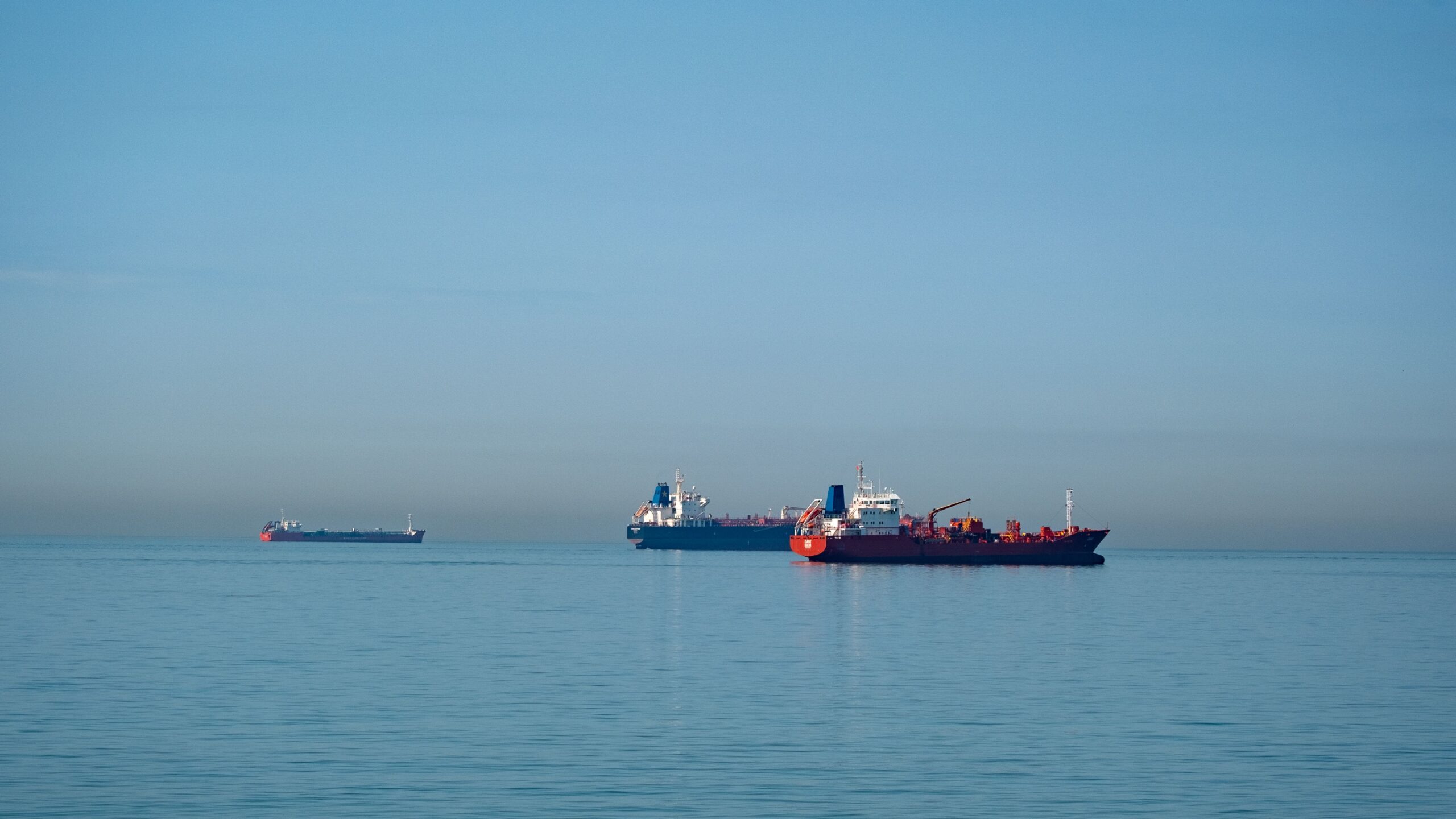
In early 2026, tensions between the United States and Iran closed one of the world’s busiest oil shipping channels. The Strait of Hormuz sees an estimated 20 million barrels of oil and oil products pass through a day, including materials used to manufacture polyester thread and clothing.
With a surge in global oil prices, retailers face further price increases from suppliers, and consumers now pay more for lower quality.
It’s time we became informed about what’s in our wardrobes, the materials they’re made from and the people who make them. Making more sustainable choices in fabric and where we shop doesn’t just create a healthier world for us to live in, but also a safer one.
It is estimated that a whopping 60% of garments and threads made globally are polyester. The material is frowned upon because of its synthetic nature, lack of air circulation (which traps heat and moisture and creates a damp environment for bacterial growth), and lack of sustainability because it comes from crude oil and natural gas.
Fashion is everyone’s problem. Although perhaps your obsession with style isn’t an interest in fashion, but an obsession with shopping and owning the latest trends.
There is a naive consensus that clothes are nothing more than the fabric hanging off our backs. In reality, they’re driven by a desire to rebel against the status quo, symbolic of a liberation movement and a sign of revolution. Throughout history, clothing has played a significant role in women’s rights movements and in times of social and political upheaval.
In Iran, defiance comes in the form of flouting mandatory hijab laws, despite the nation’s ‘morality police’ patrolling streets, taking alleged non-compliant women into “re-education” and enforcing harsh penalties. The people who make our clothes, however, play just as big a role in creating societal change as the people who wear them.
The industry lacks sufficient safeguarding and labour rights, blocking workers from forming unions and campaigning for reform. It is estimated that there are around 94 million global garment factory workers, 60 – 80% of whom are women, often working in unstable and discriminatory conditions for low wages.
A preference for upcycled, thrifted and second-hand has created a new element of the garment industry. While widely celebrated, it causes uncertainty for these already unstable factory jobs, amongst a drop in production from rising thread costs.
In February 2026, new market research showed that the second-hand retailer platform Vinted was now the UK’s third-largest retailer, falling behind high-street brands Primark and Next.
Having first launched the UK platform in 2014 before expanding overseas, Vinted is set to see revenue of over £874m ten years on, with Vinted France recently surpassing the retail sales volume of ‘the world’s biggest online shopping retailer and marketplace’, Amazon, in 2025.
Similar to other second-hand giants like eBay, which recently acquired competitor Depop for around £880m, Vinted became popular thanks to its appeal among younger users, often offering cheaper alternatives.
Despite thrifting’s popularity, high street, designer and fast fashion brands have got wind of shoppers’ desire for vintage, unique and one-of-a-kind pieces. Now scrambling to meet the demand, some of fast fashion’s biggest names have recruited fashion influencers who once built a platform on feminism and sustainability, selling out to boost brand engagement.
Turning OOTD’s and clothing hauls into advertisements, links and discount codes has driven audiences to an “I need this” way of thinking. Instead of using our own creativity and passion for fashion to build a unique “outfit sandwich”, there are structures for how we must layer and match every piece in order to identically match the model.
The problem is, we’ve become so desperate for a sustainable, ethical solution that we’ve turned our one chance to become a better placed society into yet another case of overconsumption, flooding our landfills, charity shops and second hand retailers with more goods than human kind needs.
These micro-trend leftovers are quickly finding their way back into circulation. Second-hand retail platforms have shifted from high-quality second-hand goods and users looking to clear their wardrobes in order to pocket some extra change, to expensive, low-quality fabric by brands like Shein, described as ‘vintage’ and mislabelled as cotton.
The truth? Shein’s most-used fabric is polyester. As of 2023, polyester accounted for 75.7% of the fibres used in the brand’s clothing, cotton coming second with 9.9%. Although the majority of the brand’s clothing is made in China’s ‘Shein Village’, India is home to one of the world’s biggest textile manufacturing hubs, producing polyester yarn.
In the Indian city of Surat, the cost of making such yarn has risen by around 30% since the U.S-Iran war began, leaving factories with plummeting production levels and half of the 200 looms falling silent since February.
Similarly, in Bangladesh, one of the world’s largest industrial thread suppliers announced a price rise of around 15.5% due to “rapid escalation in oil-derived feedstock costs” due to tensions in the Strait of Hormuz. This leaves companies like H&M, Zara, Target, Walmart and Ikea to pass their rising costs onto consumers.
While retailers Zara and H&M have recently moved towards ‘recycled’ polyester, a material made from plastic bottles rather than oil, Reuters states that this still accounts for 12% of global polyester production.
In August 2026, BBC’s Science Focus revealed what really happens beyond the donation bin and charity shop drop-offs; the stark reality is grimmer than the thought of rewearing the patchy 7-year-old shirt at the back of your wardrobe.
Re-homing your old and unworn clothes fills many of us with the idea that we’ve done a good deed and given new life to the pieces we once treasured; however, the rising demand for fast fashion and cheaper materials means that often the clothes we buy aren’t built to sustain a prolonged lifespan or be recycled into a thrift-flipped garment.
The BBC found that around 90 million tonnes of textile waste is produced globally, with less than 1% being recycled or reused, meaning more often than not your pre-loved donations contribute around 300,000 tonnes of clothing to the UK’s landfills.

The same goes for your overseas “charitable” donations. A 2023 study into ‘Africa’s second-hand clothing value chain’ found that around 50% of clothing exported to countries such as Kenya ends up in waste, finding a new future as shredded rags, a home at the bottom of landfill, or burnt to as much of a crisp as polyester can be.
It is estimated that Earth is around 1.42°C warmer than the pre-industrial era. These rising temperatures saw 2024 reach the warmest year on record; discontinuing the use of polyester is no longer just an argument for its contributions to global warming but proves impractical for comfort and practicality.
In a market brimming with textiles, from cotton and linen to polyester and nylon, it’s easy to be misled by those selling to us that their product is what’s best. What we use and wear extends beyond sustainability; the right fabric enhances comfort, performance and durability.
Reports suggest that more durable materials such as wool and cotton have a greater chance at being re-used, re-sold and helping those in need, however, this does not outweigh the benefits to the environment greater than reducing our consumption and repairing damaged goods.


