


In November 2021, Glasgow played host to COP26, a climate conference that was set to fail before it had even begun. The conference was doomed for a number of reasons, lack of representation being one of the biggest factors, and one of the biggest contributors towards global and governmental failures in the tackling of climate change. This year is Brazil and the Amazon’s turn to host COP30.
South America is home to the world’s most well known rainforest, the Amazon or ‘The lungs of our planet’, it is at the centre of a changing world and facing irreversible damage at the hands of climate change and global warming. For the first time, Brazil was announced as the host for the 2025 COP30 summit, paving paths for indigenous voices to play a key role in shaping climate change decisions and the way we live our lives. It follows just a week after Rio de Janeiro hosted the Earthshot prize, set up by Prince William, awarding five individuals every year for significant contributions to environmentalism.
However, to fully understand climate change, and why COP has failed in the past, there’s a few things and key terminologies you need to understand to fully grasp the picture. So let’s break this down into simpler terms.
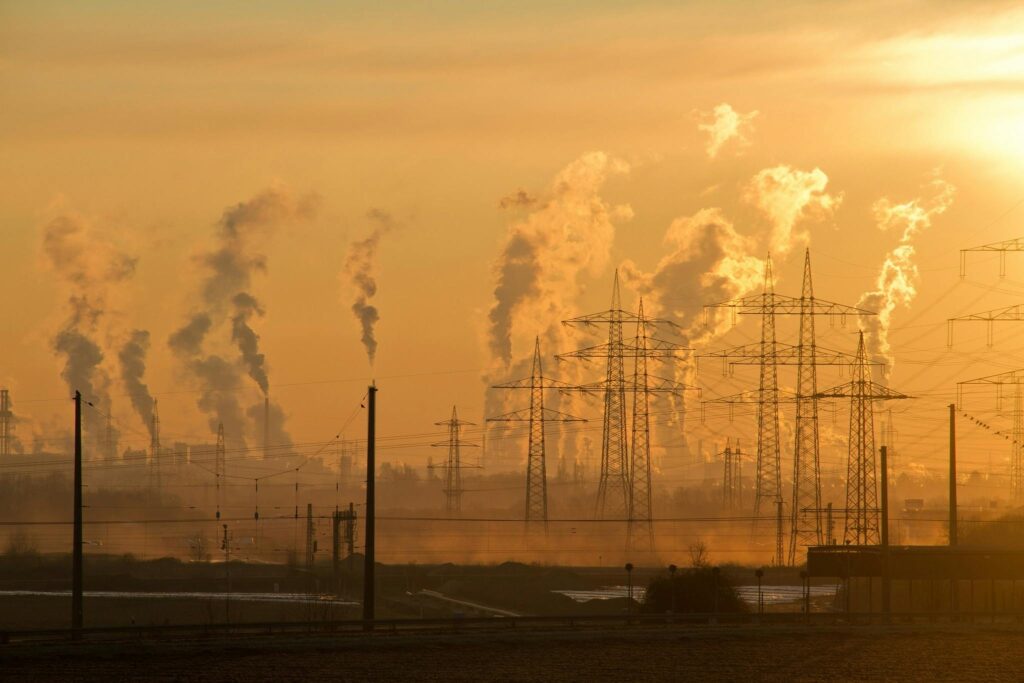
What is this ‘Net-Zero’ promise I always hear my government and representatives talking about? Net-Zero is the process of balancing out greenhouse gases, essentially producing less than what we contribute. This is done through cutting emissions/reducing our carbon footprints which are produced by things such as; burning of fossil fuels (e.g. oil and gas) for energy and used in transportation, mass deforestation, industrial productions like cement, and waste.
Why is 2050 always the target for Net-Zero? At the current rate of global warming, the world is set to see temperature rises of an estimated 1.5C and worst-case scenario 2C. This would result in more frequent and widespread extreme weather, like the droughts and wildfires we’ve seen on such a broad scale in 2025.
“I am convinced that climate change, and what we do about it, will define us, our era, and ultimately the global legacy we leave for future generations. Today, the time for doubt has passed.”
UN Secretary-General Ban Ki-moon, 24 September 2007
What is COP? COP or Conference of the Parties, is an annual climate change conference with leaders and representatives from 198 countries as part of the United Nations Framework Convention on Climate Change. It involves negotiating decisions on climate policy and corporation, as well as agenda setting and outlining the next steps.
Why was COP26 doomed from the beginning? Earthrise.studio, a climate change orientated outlet “celebrating human nature”, broke this failure down into 5 sections. Lack of representation of the ‘frontline’ communities and indigenous voices ‘disproportionately’ affected by climate change, broken promises and failure to follow through on COP21 commitments, a lack of ambition to follow through on changes needed outside of net-zero targets, influence from oil and other largely polluting corporations over COP conferences, and finally, “climate change as a symptom of a broken system”.
Why is representation so important when tackling climate change? Without such representation key characteristics of marginalised voices are formed, these include: Underrepresentation (media representation does not stand for or reflect their experiences or identity), Stereotypes, Lack of agency (lack of own voice, often spoken for or about by others), Social exclusion.
In the case of Indigenous voices, a lack of representation and agency on important issues such as climate change, can lead to erasure of identities and leads to communities having limited opportunities to share their perspectives and narrative, this therefore makes it harder for the full humanity to be understood as stories are not distributed with the same importance as issues affecting the “dominant” groups in society.
According to the WWF, the Amazon rainforest is at risk of seeing a rapid increase in its demise due to climate change and habitat destruction, such as deforestation. Such an increase would put the Amazon at a point of no return and be replaced by “fireprone bush and savanna”. It’s suggested that by 2050, the Amazon could see a temperature increase of 2-3C above the world estimate for the same year.
In 2024, 44.2 million acres of the Amazon rainforest was burned in wildfires. Although the blame of these fires has been largely pointed at illegal action by humans, with loggers, miners and farmers exploiting or attempting to steal the land, it is increasing the rate of deforestation and limiting the Amazon’s ability to absorb the world’s carbon (as is currently relied upon). Within these 44.2 million acres of burnt forest lie protected reserves, indigenous land and indigenous communities, all threatened, at risk of death and/or contracting serious health issues due to climate change and the man-made speeding up of the process.

However, wildfires and deforestation in the Amazon aren’t the only threat to indigenous lives as a result of climate change. 2024 and 2023 saw severe droughts hit the region, which according to Rainforest Foundation US, saw millions of indigenous people ‘isolated’ and with limited access to food and water. The Amazon is home to around 1,100 streams and rivers and contributes to around 20% of the world’s freshwater. For indigenous communities in the Amazon, these rivers and streams carry several roles – aside from ecological benefits. They provide transport, much like motorways, they put food on the table, and to many indigenous communities, they are living beings.
Across the globe in Asia, indigenous communities in the Himalayas and surrounding areas are also at risk from the disproportionate impacts of climate change in their region. The Himalaya’s are home to much more than Everest. Across Nepal, China/ Tibet, Pakistan, Bhutan, India, and Afghanistan it is estimated there is around 53 million people living in the region, including a number of indigenous tribes and communities across the different regions of the mountains.
Temperatures in the three areas have seen dramatic rises, more than anywhere else in the world, posing serious threats to indigenous communities putting their lifestyles and livelihoods at risk. The ICIMOD (International Centre for Integrated Mountain Development) first reported at COP26, that Asia’s Hindu Kush-Himalayan Mountain ranges will lose between 1/3 to 2/3 of its ice by 2100, causing water and food shortages for communities in South and East Asia and impacting an estimated 2 billion people.
In high-altitude regions of the Himalayas, glacial melts have resulted in more water. However, in the long-term picture, with temperatures continuing to rise, glacier and snow coverage will shrink leading to less water for rural communities, according to the United Nations Developmental Program in 2021.
This way of life for indigenous communities across the world has been put at risk by historic droughts, wildfires and dramatic rises in temperature , something that is set to continue and be demonstrated worldwide if countries do not show commitment to COP’s climate goals.
By the end of COP30’s first week, protests surrounding the threats to indigenous life as a result of climate change, had already made their mark. On Friday the 14th of November, indigenous protesters formed a blockade at the summit, demanding to speak to Brazil’s president, Luiz Inácio Lula da Silvaover (Lula), over the circumstances. The blockade included around 50 members of the Manduruku people, from the Amazon Basin, alongside international green groups.
Despite being unsuccessful in speaking to President Lula, the group achieved discussions with COP president, André Corrêa do Lago. Representatives spent over an hour with Corrêa do Lago before going on to hold further talks the same day. The UN secretary general, in talks with the Guardian, described indigenous involvement in climate talks as necessary in balancing out voices, compared to dominating lobbyists of the past.
This anger isn’t new to COP and indigenous protests certainly aren’t unique to COP30, if anything, this is just the beginning. The conference saw a range of eye catching rallies, sure to make a mark, including a ‘funeral’ procession for fossil fuels in which activists walked with oil, coal and gas coffins. Groups also demanded compensation from governments and capital corporations for their contributions to climate change and the damage to marginalised communities.
Other events across the two-week conference include, activism and support for Palestine and women’s rights. In London and across the UK, similar action has been seen surrounding COP30, with a rally against the rich, demanding real action over the crisis on ‘global day of climate action’.
With the conference coming to an end on Friday the 21st of November, groups continue to be outspoken about constant failings of this, and past COP conferences. With many suggesting reforms and the setting up of new institutions such as BAM (The Belem Action Mechanism for a Global Just Transition) which would see a “institutional arrangement designed to address the current fragmentation and inadequacy of global Just Transition efforts”.
It’s uncertain whether COP will continue to adapt with the needs of marginalised communities, necessary to successfully tackle climate change at the scale needed. With semi-positive statements from Corrêa do Lago and co-operation with indigenous voices, it’s hoped for a positive future. However, failings from governments around the world to meet targets, and a lack of commitment (such as America’s withdrawal from the Paris agreement on two occasions under Trump) continues to raise concerns with activists and encourages calls for reform.


