


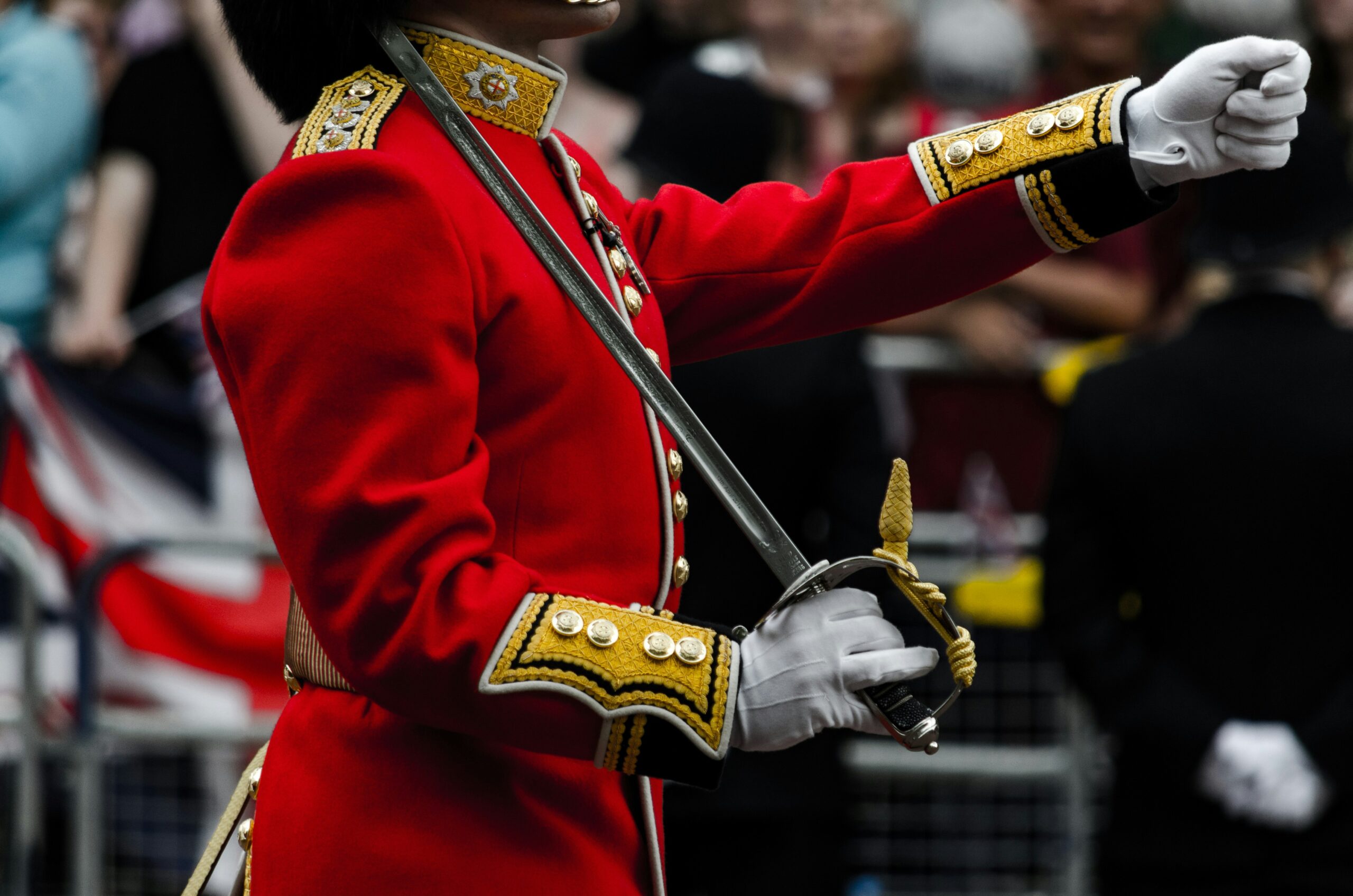
Photo by Roberto Catarinicchia on Unsplash
In a move to protect security both at home and the wider European continent, last month Sir Keir Starmer announced plans for an increase in defence budget spending by 2.5% – but it’s not enough and its implementation will take several years, which is more time than we might have to react to threats.
For too long, the UK has underestimated the threat posed by Russia. We downplayed the annexation of Crimea, dismissed cyberattacks on our National Health Service and postal system, and arguably failed to respond decisively to the invasion of Ukraine. As Russia escalates its aggression—most recently damaging the radiation shield at Chornobyl—ignoring the threat is no longer an option. The UK must be prepared for what comes next.
The invasion of Ukraine is not an isolated event; it is part of a broader expansionist agenda that threatens global security and the stability of Europe. Ukraine’s resistance has been steady but has shown cracks – a lack of manpower and depleting resources. Worse still, encouragement from the Trump administration in the U.S. has emboldened Russia, as America abandons Ukraine and its European allies in the process.
The UK’s current financial aid can only stretch so far before military intervention becomes unavoidable.
Defence analysts such as Michael Clarke warn that without a drastic increase in funding or a major intervention, Ukraine will likely lose even more territory in the coming years. Yet, when French President Emmanuel Macron suggested deploying European troops to Ukraine back in February of 2024, many NATO allies, including the UK, shut the idea down, claiming it would be a “major escalation.” This is despite the UK training Ukrainian soldiers behind the front lines and committing £12.8 billion in military assistance. If this isn’t escalation, then what is? How long will we pretend that Putin’s ambitions can be tamed with diplomacy alone?
Now more recently there has been some movement towards a boots-on-the-ground approach. Keir announced plans to put troops into Ukraine after a proposed ceasefire, as part of the “Coalition of the Willing” outlining the creation of a “peacekeeping force” built up of European powers. However, we might need more than peacekeeping troops to keep things at bay on the Eastern front.
History has already shown us that appeasement in Europe only delays the inevitable. If the UK were forced to intervene today, we would be ill-prepared to put it lightly.
A report from the House of Lords International Relations and Defence Committee highlights the Armed Forces’ dwindling numbers and the UK’s tiny defence budget, raising serious concerns about military readiness. Meanwhile, the battlefield is evolving—modern trench warfare, drone technology, and hybrid warfare demand a more advanced, well-equipped military.
This does not mean to dismiss British military training and strength, it is globally understood to be high calibre but similarly to Ukraine – we have a manpower issue, and after a series of cuts to military spending, our arsenal and nuclear capabilities have declined severely over the years.
This becomes even more significant now that America can no longer be relied upon for support – at least during this presidential term. Trump’s return to power has already seen the U.S. distance itself considerably from NATO, indicating a massive shift toward isolationism. Not only this, but the administration has been outwardly hostile to its historic allies, a shocking example was the recent argument in the White House, which came just days after Trump called Zelensky a “dictator”—a statement that could have come straight from a Kremlin’s playbook.
Recognizing this reality, the UK government has already pledged to increase its defence budget, however, given the urgency of the situation, this is too slow and still insufficient.
Military experts such as former head of the Royal Navy, Lord West have warned that this increase may not be enough to respond if Article 5 is invoked. With Germany significantly ramping up its military spending, and France increasing its defence budget to €50.54 billion over this year alone, the UK must do the same. The longer we delay, the greater the risk of being caught unprepared in a conflict that is already unfolding before our eyes.
The cost of rearming the UK is high but the price of inaction is far greater. Putin is testing NATO’s resilience, and the UK must rise to the challenge. Europe is already at war—whether we want it or not. Now is the time for the UK to prepare for what may lie ahead.
