


Edinburgh has been home to writers such as Robert Louis Stevenson, Sir Walter Scott and Robert Burns. Our museums are home to artefacts of all three writers, and equally fuelled by important characters from around the world and different cultures.
Museums have always been a way to see the world in an accessible manner, but now the world is at our fingertips with social media and the internet opening us up to unlimited exploration.
It’s not just museums under threat by the digital age. Our paper tickets have been replaced by e-tickets, cameras swapped for mobile phones, and CD & vinyl markets taken over by billion-dollar platforms like Spotify, which made £13.44 billion in 2024, compared to £196 million made from UK vinyl sales. Collectables no longer share the same value as they did in the past, as everything falls into our hands without the effort of rewinding a cassette or waiting weeks for your photos to be developed.
This rise of technology, with the introduction of social media, has created a new fear amongst the younger generation believing that if we don’t share every moment of our life online, did it really happen? And corrupting our thoughts to, ‘Is this getting my good angle?’

When you see what’s happening in every moment of someone else’s life, it can create unrealistic expectations of our own. In a blog post from 2024, Freya India executes this point to perfection, highlighting that Gen-Z, “Simply cannot conceive of a life that exists without an audience consuming it. Like, for example, the popular belief now that if your boyfriend doesn’t post photos of you, he’s cheating or doesn’t really love you. Or it’s a red flag if you meet someone and they aren’t on social media.”
From YouTube to TikTok, there is a phenomenon of increasing online documentation of extremely personal moments. From health scares and mental breakdowns, to pregnancy reveals, marriage proposals and saying ‘I love you’ for the first time. All recorded for the world to see. The intimacy is lost the second you set up the camera to record, forgetting and removing the ability to let yourself be in the moment.
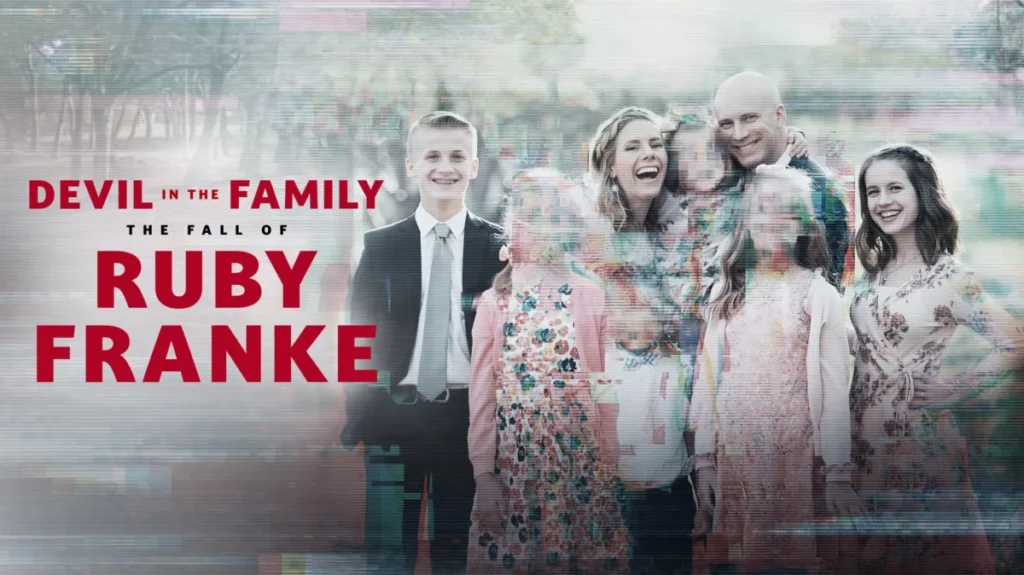
It’s not just individuals guilty of following this trend in vlogging, family content creators document entire childhoods, including their young children’s private moments and details. In a recent Disney Plus docu-series, Devil in the Family: the Fall of Ruby Franke, the dark side of family vlogging was revealed, forcing us to reconsider what we really know from watching 30 minutes of someone’s life.
The 8 Passengers YouTube channel had documented the kids’ lives from early 2015 up until 2022 and had around 2.5 million subscribers with over 1 billion views. In early 2020 however, concerns began to be raised about the ‘perfect family’ viewers had seen for the past 5 years. The mother, Ruby Franke, disciplined her son by banning him from his bedroom and sent her 6-year-old to school without lunch. In 2023, she was sentenced and convicted on four accounts of aggravated child abuse. Following Ruby’s arrest, her daughter, Shari Franke, told the Utah Senate, “There is no such thing as a moral or ethical family vlogger.”
In recent years, US states such as California have begun passing new laws designed to protect the children of family vloggers and child influencers. These laws include trust funds made up of the parents’ earnings from the content and allows the children to have a say in their online presence. However, with only a few states and countries implementing laws on the scale that is needed, the vast production of private and intimate moments remains a new staple in our media.
This loss of sentimentality and privacy by posting our everyday lives on social media leaves us with the question of how our museums will look in the future, and what will we have to show for ourselves when everything is commemorated online.


